Tensegrity Medicine™ I BioTensegrity-based assessments
14 WA CEU CREDITS
-

This two-day immersive workshop introduces a modern, evidence-informed approach to assessment and treatment grounded in the principles of relational anatomy and biotensegrity.
Drawing from the latest in fascial research, you’ll learn how to assess the body as an interconnected system—moving beyond isolated symptoms to understand global patterns and root causes.
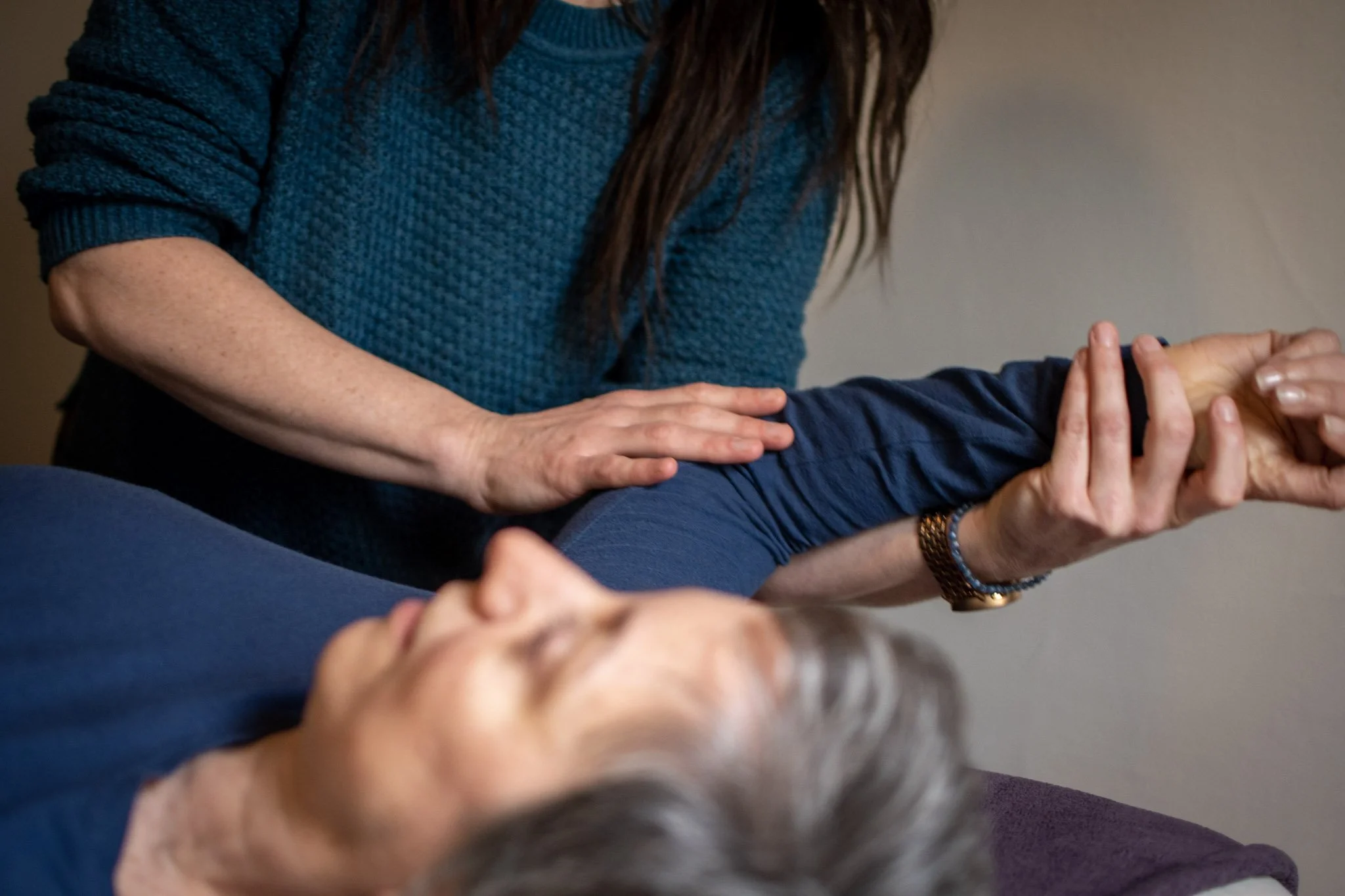
Through hands-on practice and guided observation, you’ll develop biotensegrity-informed myofascial assessment skills that give you clear, objective tools to deliver more targeted, effective, and efficient care.
This approach emphasizes a “less is more” philosophy, helping you avoid over-treatment while improving outcomes. You’ll also gain the ability to clearly communicate findings, educate clients on the true source of their discomfort (which is often not where they feel pain), and document progress in a way that supports collaboration with other providers.
-
Day 01 / Biotensegrity + lab
Day One is all about updating the biomechanical paradigm, myokinetic chains, and biotensegral testing of the superficial coat.
-
Day 02 / Assessment Lab
On Day Two continue assessment of superficial coat and superficial sleeve.
Tensegrity Medicine™ Biotensegrity-based assessments
May 30th — 31st
in-person
ONLY $375
payment plans and scholarships available
Saturday 30th 10:30-6:30pm
Sunday 31st 10:30-6:30pm
Body Reflects Studo
423 3rd Ave W Seattle, WA 98119
*14 Total Hours of WA State CEUs*

A 2-DAY WORKSHOP
TO UNDERSTAND THE CONCEPT OF BIOTENSEGRITY
LEARN THE LATEST RESEARCH ON FASCIA AND THE NERVOUS SYSTEM.
APPLY GLOBAL OMNI-DIMENSIONAL ASSESSMENTS FOR THE WHOLE BODY
sign up now

Learning objectives
Understand the principles of tensegrity and biotensegrity and how they apply to the body as a global system
Identify kinetic chains, key anatomical landmarks, and common dysfunction patterns
Objectively assess and document postural and movement patterns through a biotensegral lens
Select appropriate manual therapy and movement interventions based on assessment findings
Evaluate and document pre- and post-treatment outcomes to measure effectiveness
Develop customized, client-specific treatment plans rooted in objective data